File triage
Confirm Gerber/BOM/CPL completeness and list blockers that would stop a good first article.

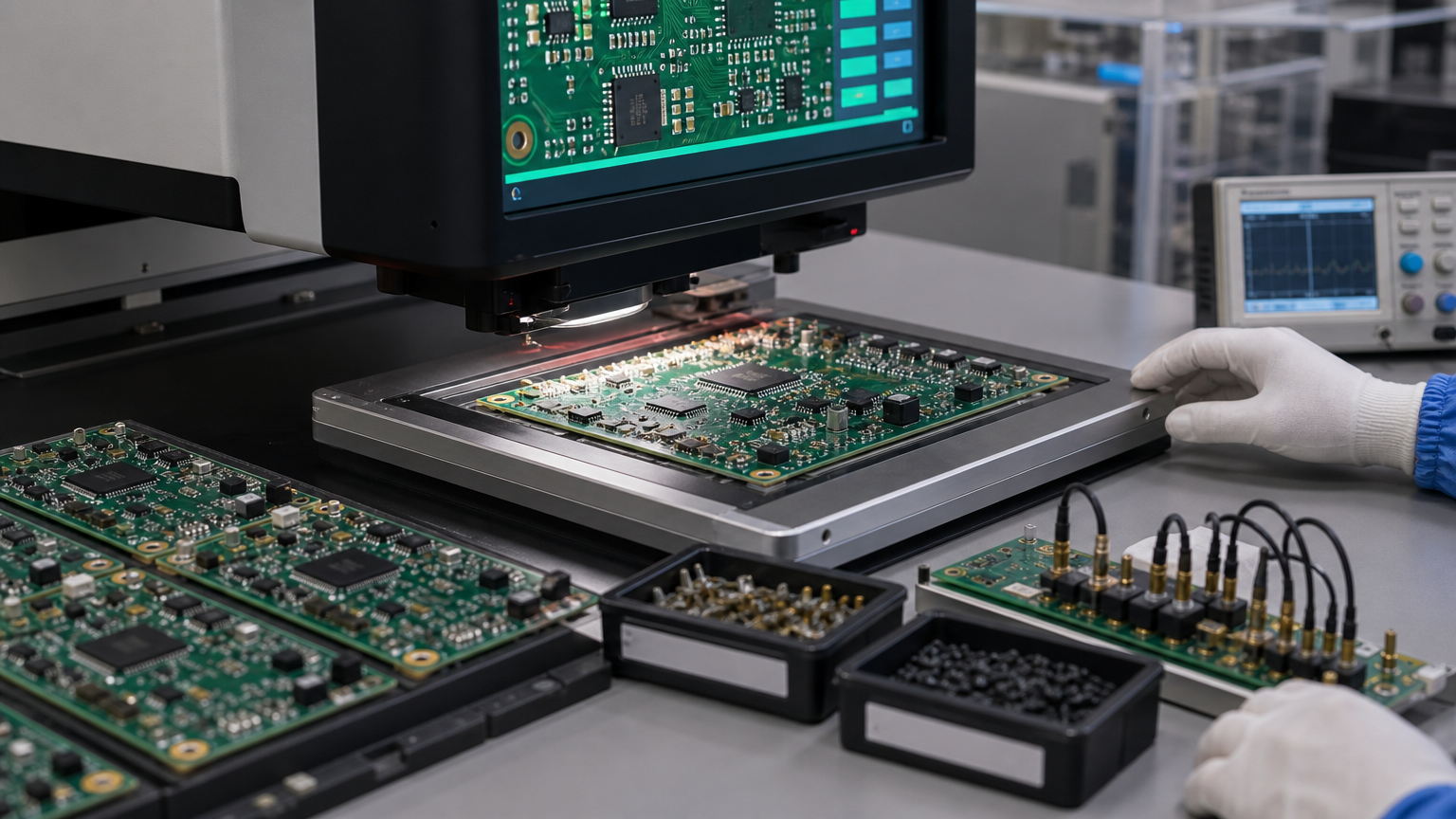
Prototype assembly is about learning fast: XFPCB builds small SMT/THT lots with early DFM notes so your team can validate fit, firmware and test coverage before locking a production revision.
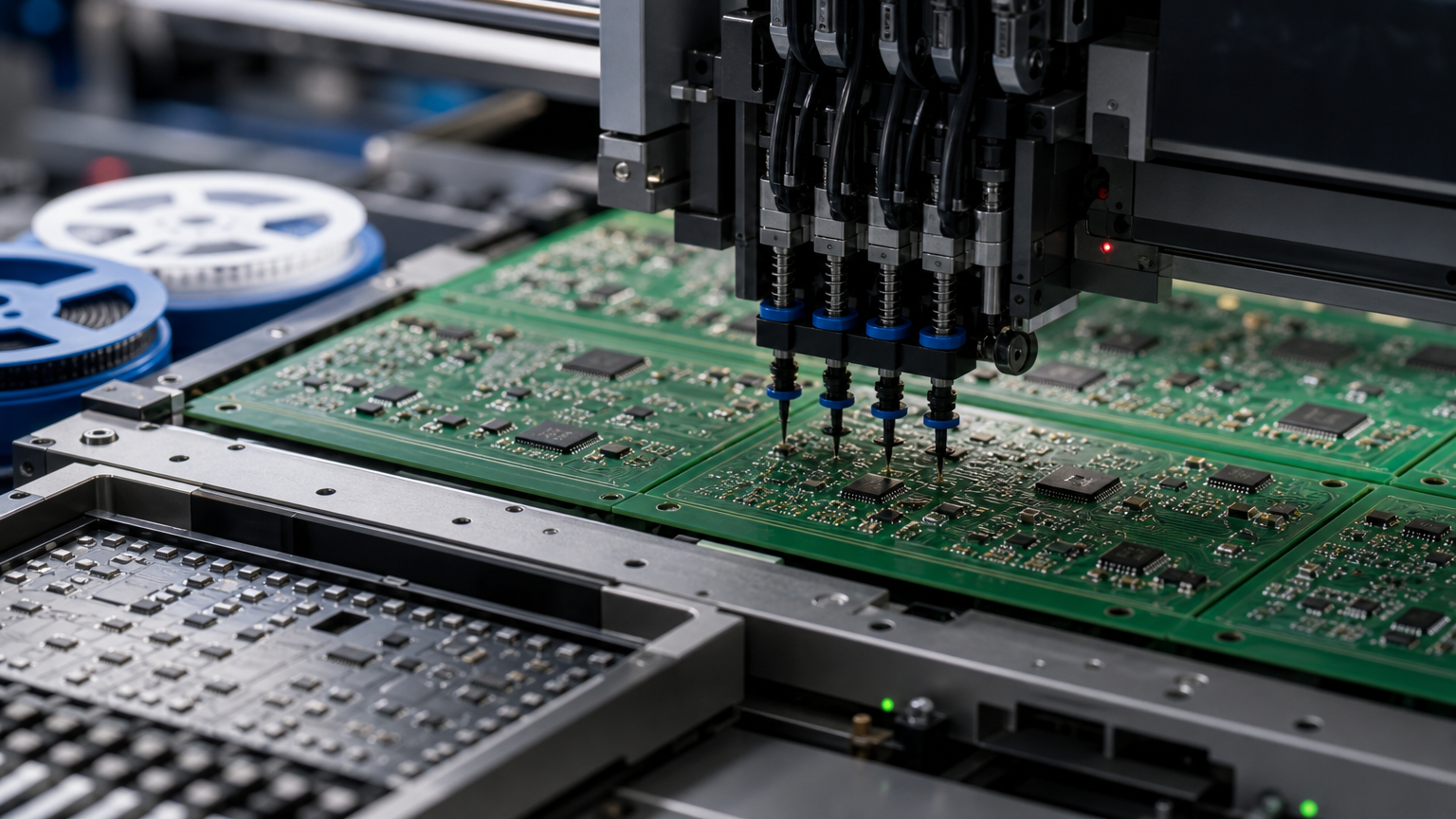
NPI builds often arrive with changing BOMs or partial CPL data. XFPCB treats prototypes as engineering builds: we highlight pad/aperture risks, missing polarity marks and long-lead parts instead of assuming a frozen production kit.
Quantities are typically small. The goal is a trustworthy first article, not the lowest unit cost of a mature line.
Confirm Gerber/BOM/CPL completeness and list blockers that would stop a good first article.
Use in-hand or quickly sourced passives where allowed; flag slow ICs immediately.
Assemble the lot with clear revision labels and notes on any hand-work.
Return first-article findings so the next spin is cleaner.
| Project Area | XFPCB Guidance |
|---|---|
| Primary goal | Validate design and process risks quickly |
| Documentation | Light but revision-clear |
| Sourcing | Speed over multi-source cost optimization |
| Next step | Pilot / low-volume with locked files |
Tell us what is still changing. We can quote around a freeze date so the first article matches the intended spin.
Call out ICs that must be present for bring-up versus passives that can be DNP on spin A.
Define whether you need photos, AOI reports or simply assembled boards for lab test.
Lead time depends on part availability more than stencil cut time. Complete BOMs with in-stock MPNs move fastest; long-lead ICs set the schedule.
Yes for bring-up builds. Mark DNP lines clearly and list which circuits must be live for firmware test.
Same fundamental SMT/THT methods, with more engineering checkpoints and usually less automation for odd-form parts.
Pad geometries that failed paste print, polarity marks that confused placement, and any BOM lines that caused substitutions.
Share your target bring-up date and which circuits must be populated on the first article.