Process lock
Qualify stencil, reflow and inspection on a pilot lot before ramping.

Volume PCBA at XFPCB emphasizes repeatability: locked revisions, stable AVL purchasing, consistent stencil/reflow recipes and inspection records that match each production lot.
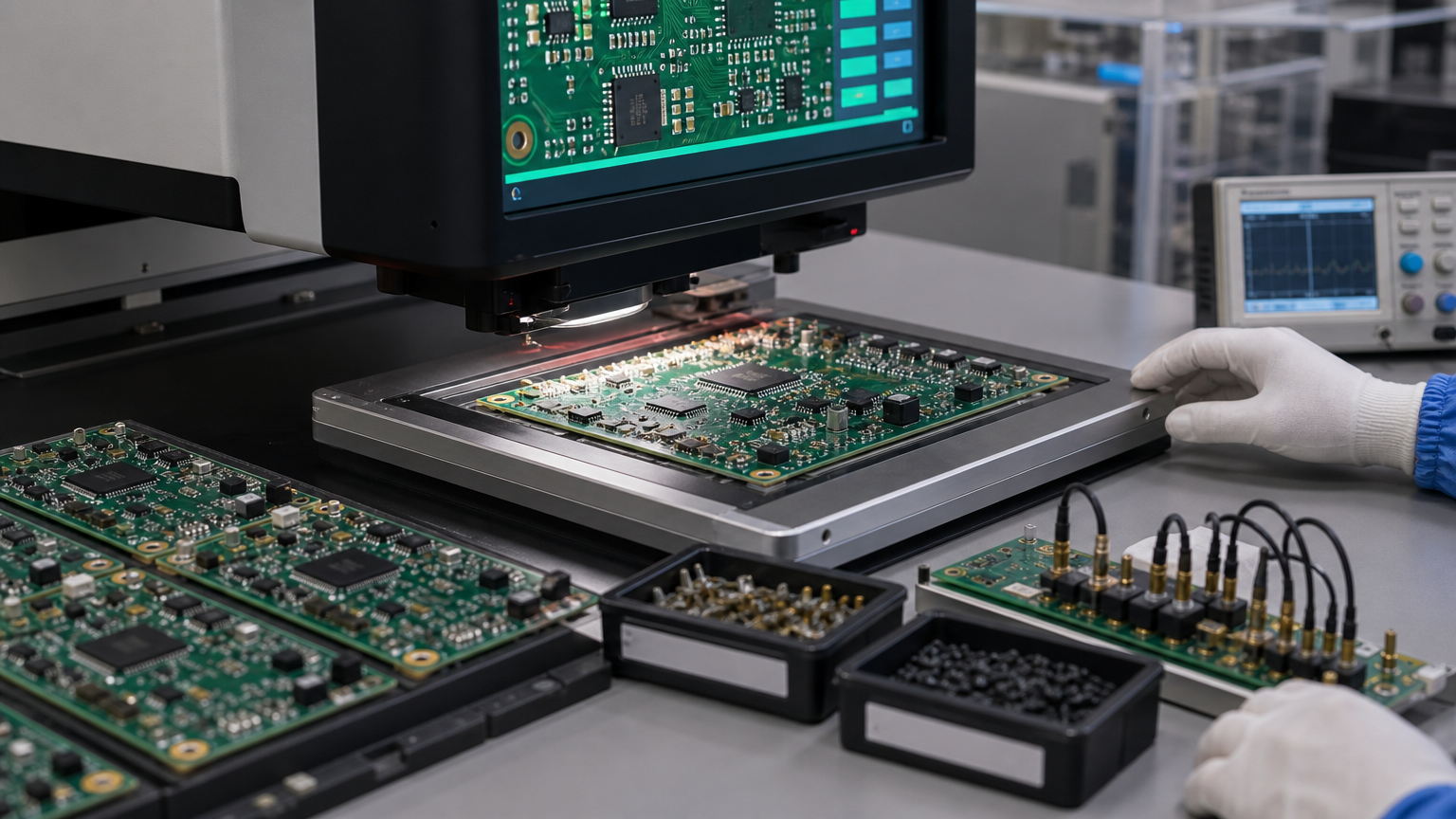
High-volume assembly assumes a frozen design, known yields and a supply plan for every BOM line. XFPCB sets travelers, feeder setups and inspection sampling so lot N looks like lot N+1.
Share forecast or blanket quantities when possible so purchasing can secure passives and connectors before a monthly release lands.
Qualify stencil, reflow and inspection on a pilot lot before ramping.
Buy or buffer long-lead parts per forecast; report risk parts when requested.
Run SMT/THT with lot IDs, feeder verification and AOI on each release.
Pack with lot labels; retain inspection records per your retention request.
| Project Area | XFPCB Guidance |
|---|---|
| Volume signal | Per-release qty + forecast if available |
| Quality plan | AOI coverage, X-ray sampling, AQL if used |
| Supply | AVL, alternate rules, buffer preferences |
| Logistics | Kanban, scheduled releases, destination hubs |
Only released Gerber/BOM pairs enter volume; drafts stay in NPI.
Identify single-source ICs early and decide buffer or redesign.
Lock AOI programs and X-ray sampling so operators are not improvising each lot.
When the revision is stable, yield is acceptable on pilot lots, and purchasing can support the forecast without constant substitutes.
Yes. Stencil revisions, reflow profiles and AOI programs are retained for repeat orders of the same board revision.
Submit the change with a cut-in date. We review cost/schedule impact and may require a partial first article.
Yes. Provide a release calendar and destination instructions so kitting and packing stay ahead of each ship window.
Include forecast volume and quality sampling expectations so the production plan matches how you release orders.