Cost DFM
Flag packages, double-sided constraints and hand-solder steps that inflate cost.

Lower assembly cost comes from design and documentation choices: standard packages, panel-friendly layouts, complete BOMs and realistic inspection - not from skipping solder process control.

Labor, setup, difficult packages, scarce ICs and excessive hand work drive PCBA price. XFPCB helps identify which of those you can change before locking a cheap-but-fragile process.
We still run AOI and polarity checks. Low cost means removing waste, not removing inspection.
Flag packages, double-sided constraints and hand-solder steps that inflate cost.
Suggest common passives/connectors within your AVL when allowed.
Panelize and sequence SMT to reduce setups across releases when volume allows.
Keep critical checks; avoid paying for unused test scope.
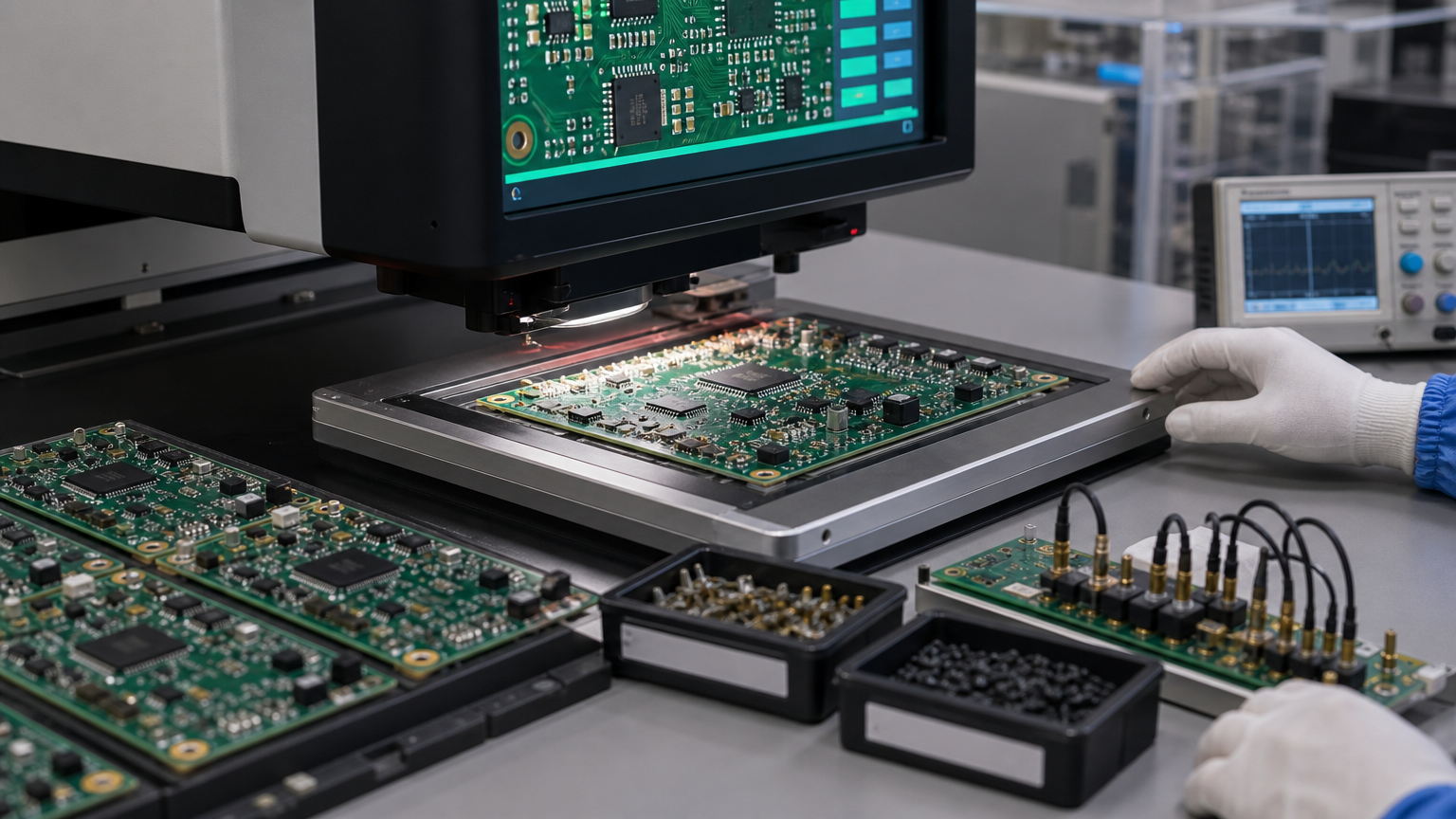
| Project Area | XFPCB Guidance |
|---|---|
| Design | Prefer common pitches; avoid unnecessary 01005/BGA |
| BOM | Use widely available MPNs; allow alternates |
| Process | Single-sided SMT cheaper than complex dual-side + THT |
| Volume | Batch releases to amortize setup |
Moving from ultra-fine pitch to common packages often saves more than negotiating labor rate.
Approved equivalent chip resistors/capacitors improve buy pricing and availability.
Combining small monthly builds reduces repeated feeder setup cost.
No. It means choosing standard processes and clear documentation. Critical inspection stays in place for the packages you use.
Avoiding unnecessary fine-pitch BGAs, reducing hand-soldered odd-form parts, and allowing common passive alternates.
We provide DFM/cost notes. Formal redesign remains with your engineering team; we can review revised files quickly.
Often double-sided SMT, scarce ICs, or many unique BOM lines. Share the BOM early for a cost driver list.
Send the BOM and package list so we can separate true process cost from avoidable complexity.